The Word
Writers, historians & poets — the keepers of the language
Armenian civilization begins with a script and a book. Within a generation of Mashtots' alphabet (405 AD), the fifth century produced a whole literature — above all Movses Khorenatsi, the "father of Armenian history," whose History of the Armenians gave the nation its story of itself, from the legendary patriarch Hayk onward. From that root grew fifteen centuries of poets who treated the language as a sacred trust — several of whom paid for it with their lives.
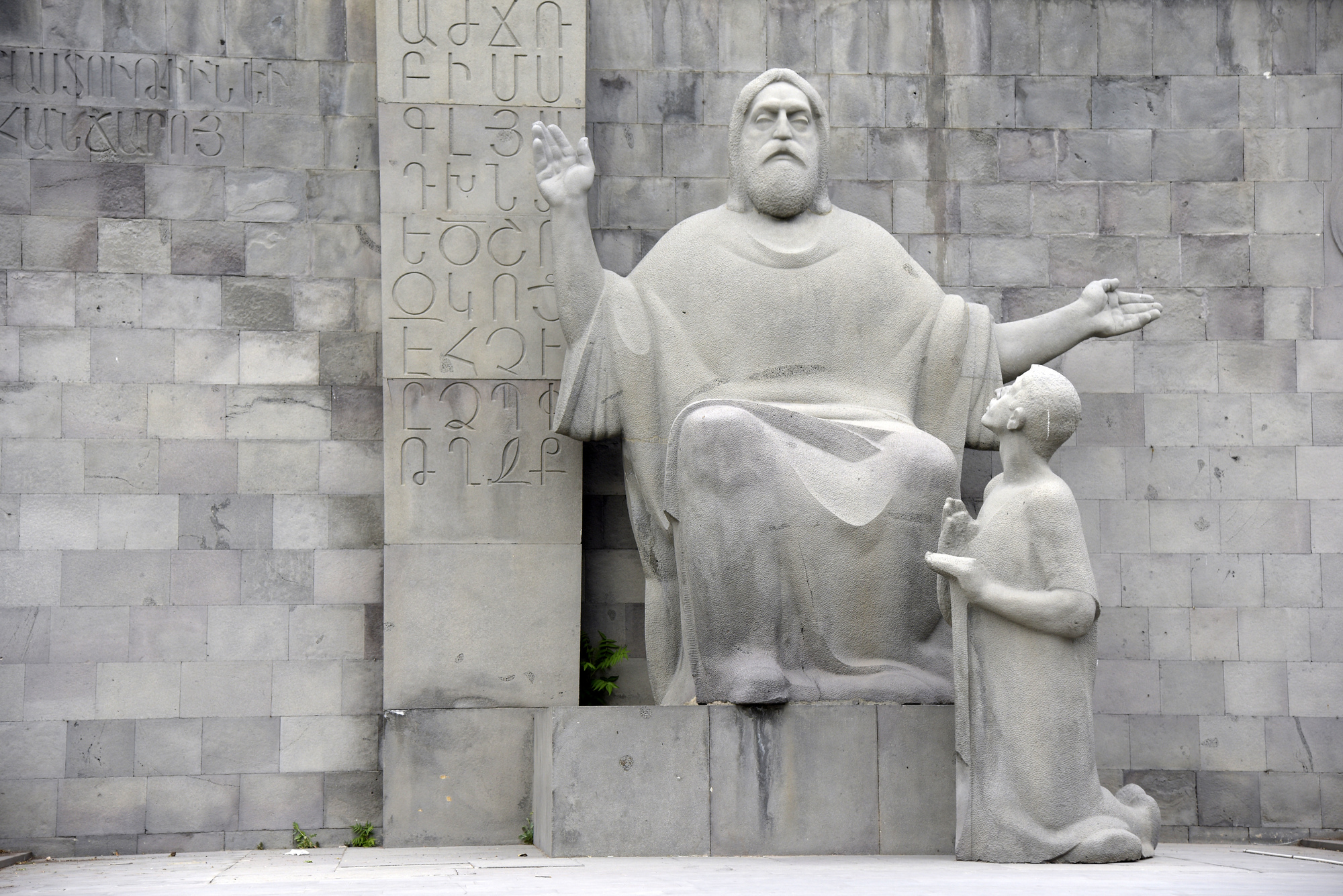
Monk, scholar, and missionary who invented the Armenian alphabet (c. 405) to translate Scripture — the single most consequential act in Armenian cultural history.
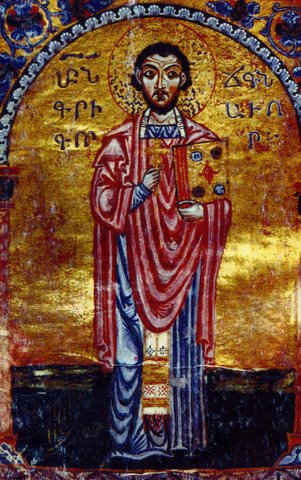
His Book of Lamentations is the Everest of Armenian literature — prayers of astonishing depth. Named a Doctor of the Universal Church in 2015.
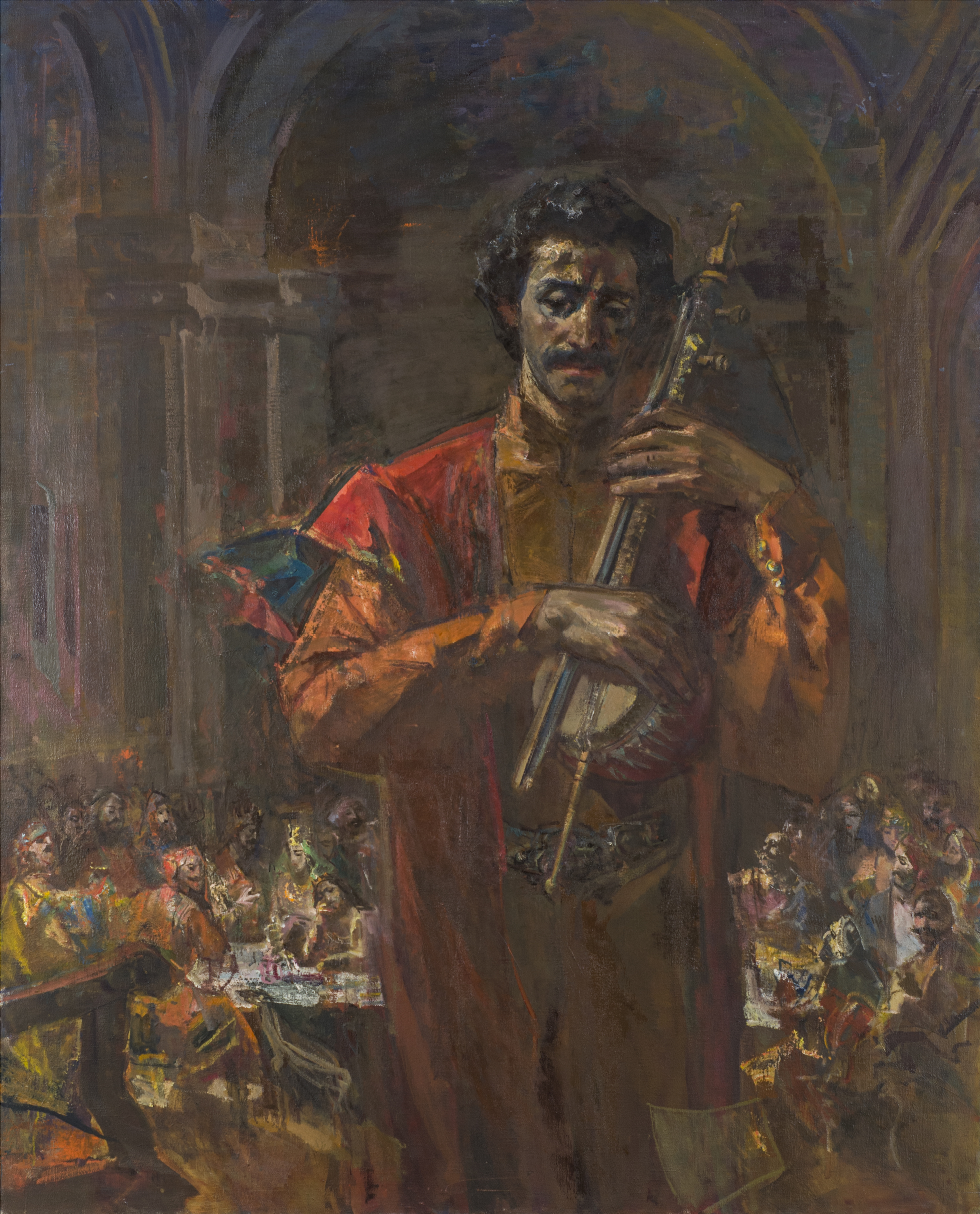
The greatest of the Caucasian troubadours, singing in Armenian and Georgian at the Georgian court; killed during the Persian sack of Tiflis. Parajanov's film The Color of Pomegranates is his monument.
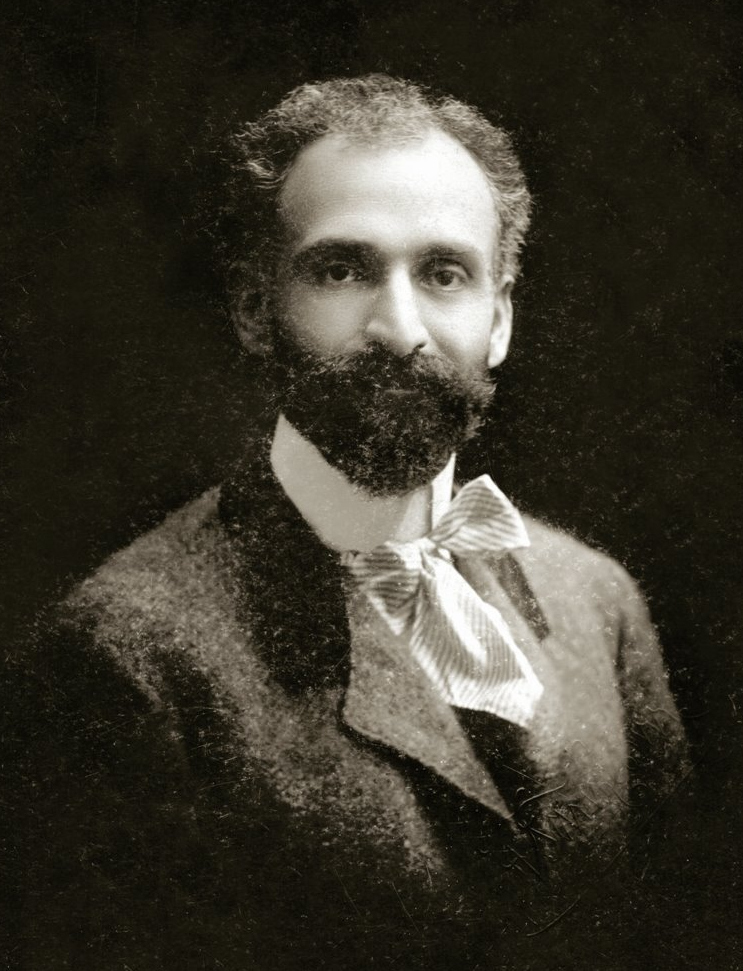
Beloved teller of the nation's soul — Anush, David of Sassoun, fables every Armenian child knows. His Lori mountains speak in his verse.
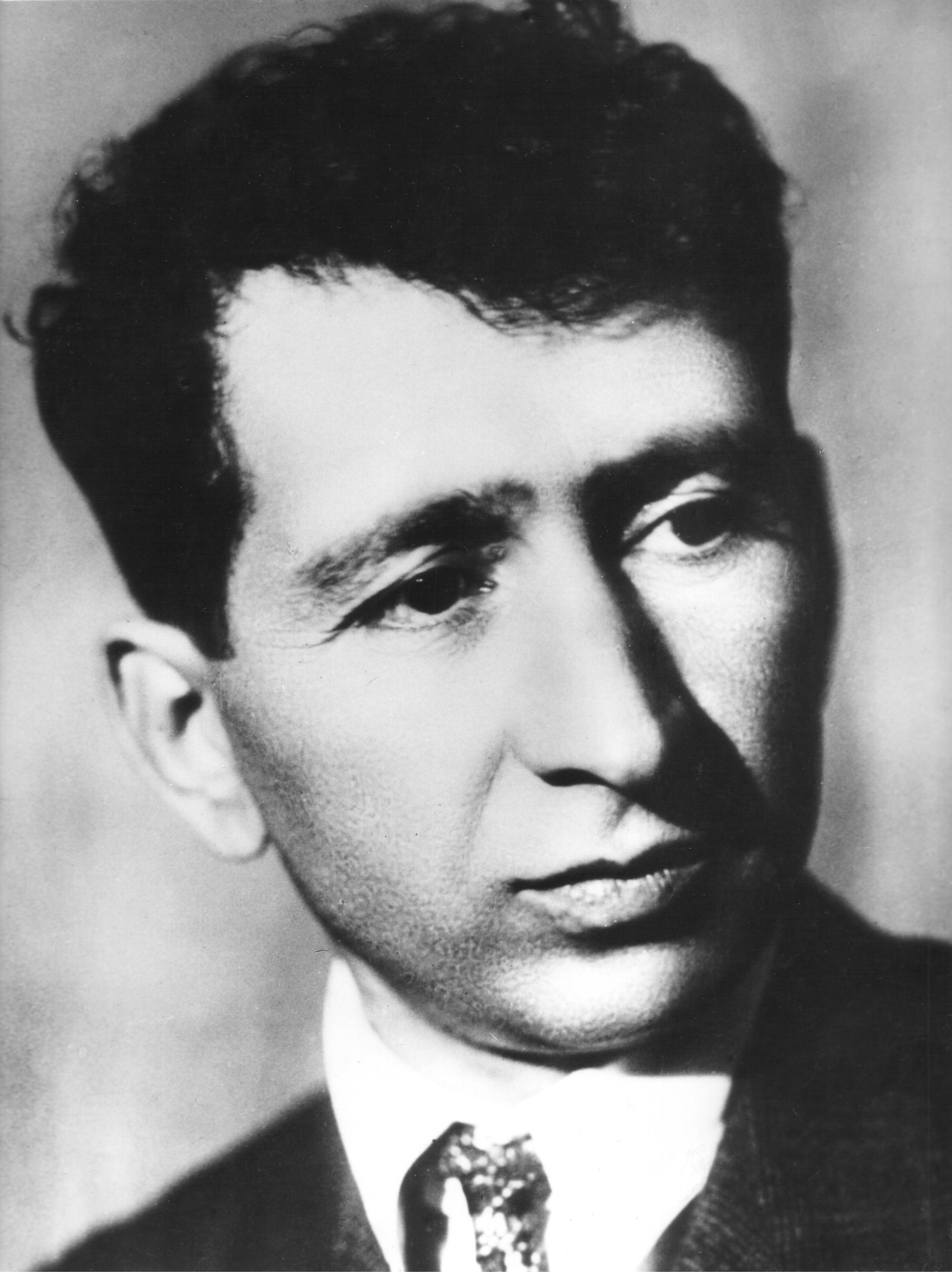
The blazing modernist of Armenian verse, author of the nation's most beloved ode to Armenia. Arrested in Stalin's purges, he died in prison in 1937.
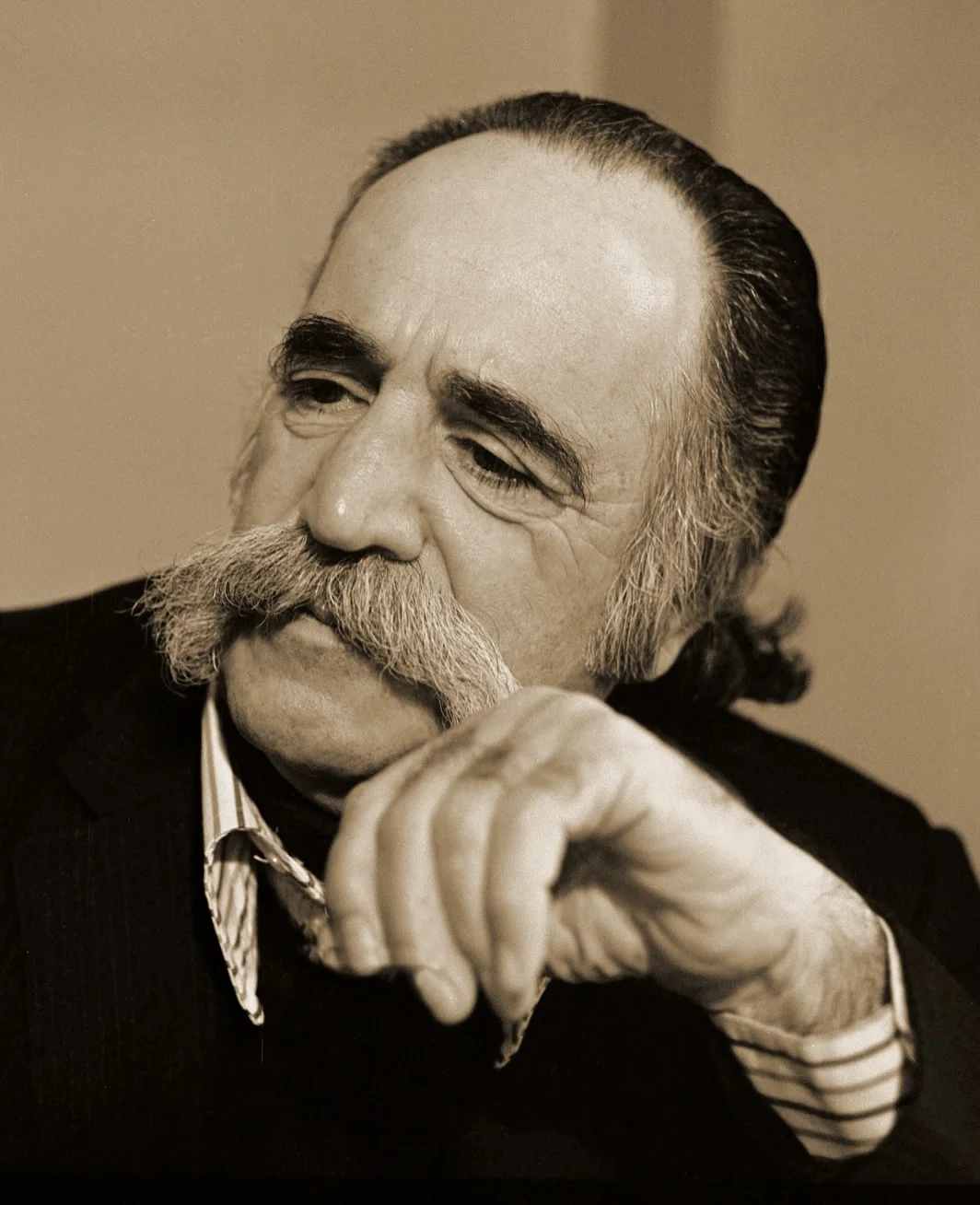
Fresno-born son of genocide-era immigrants whose warm, humane stories conquered American letters — and who never stopped writing about being Armenian.
In 1936 Saroyan wrote that whenever two Armenians meet anywhere in the world, "see if they will not create a New Armenia."
William Saroyan · "The Armenian and the Armenian"The Image
Illuminators, painters & filmmakers — the keepers of the eye
Armenian visual genius begins in the scriptorium. In the 13th century, at the fortress-monastery of Hromkla, Toros Roslin raised manuscript illumination to a summit never surpassed — seven signed Gospels survive, their colors still burning after 750 years. Six centuries later the tradition burst onto canvas, and in the 20th century, onto film.
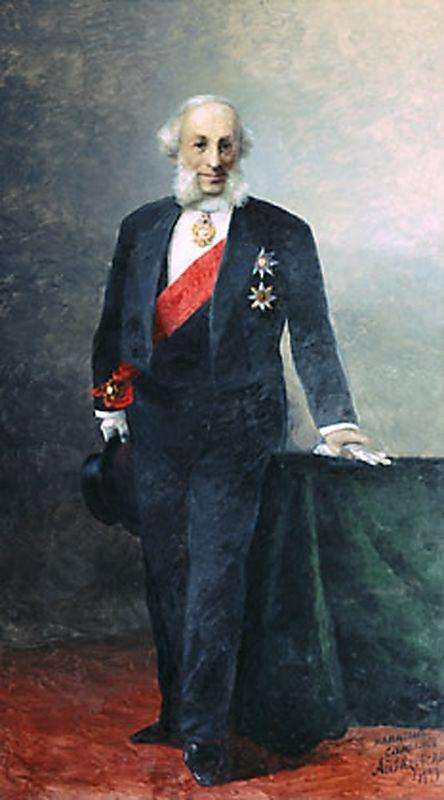
The greatest painter of the sea who ever lived — some six thousand canvases, crowned by The Ninth Wave. Born Hovhannes Aivazian in Feodosia, Crimea.
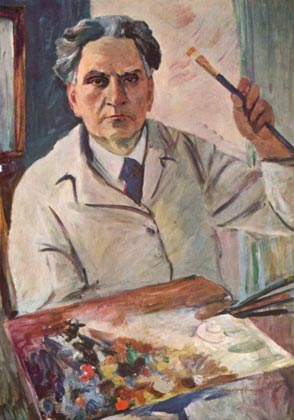
He gave modern Armenia its visual identity — apricot mountains, violet shadows, blazing sun. The colors of the homeland are, in part, colors he taught it to see.
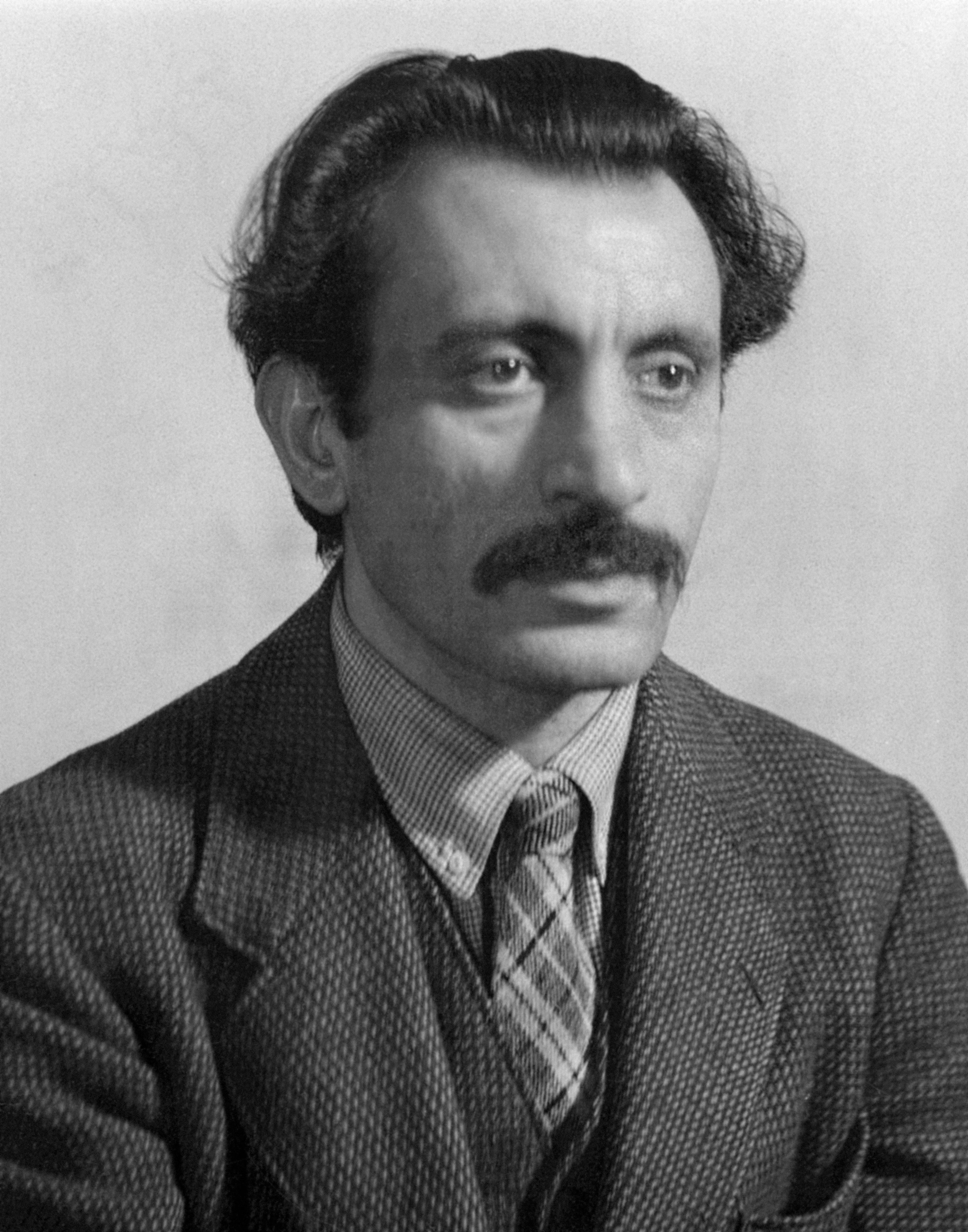
Born Vosdanik Adoian near Lake Van; survived the Genocide as a boy. His haunted The Artist and His Mother and late abstractions reshaped American art.
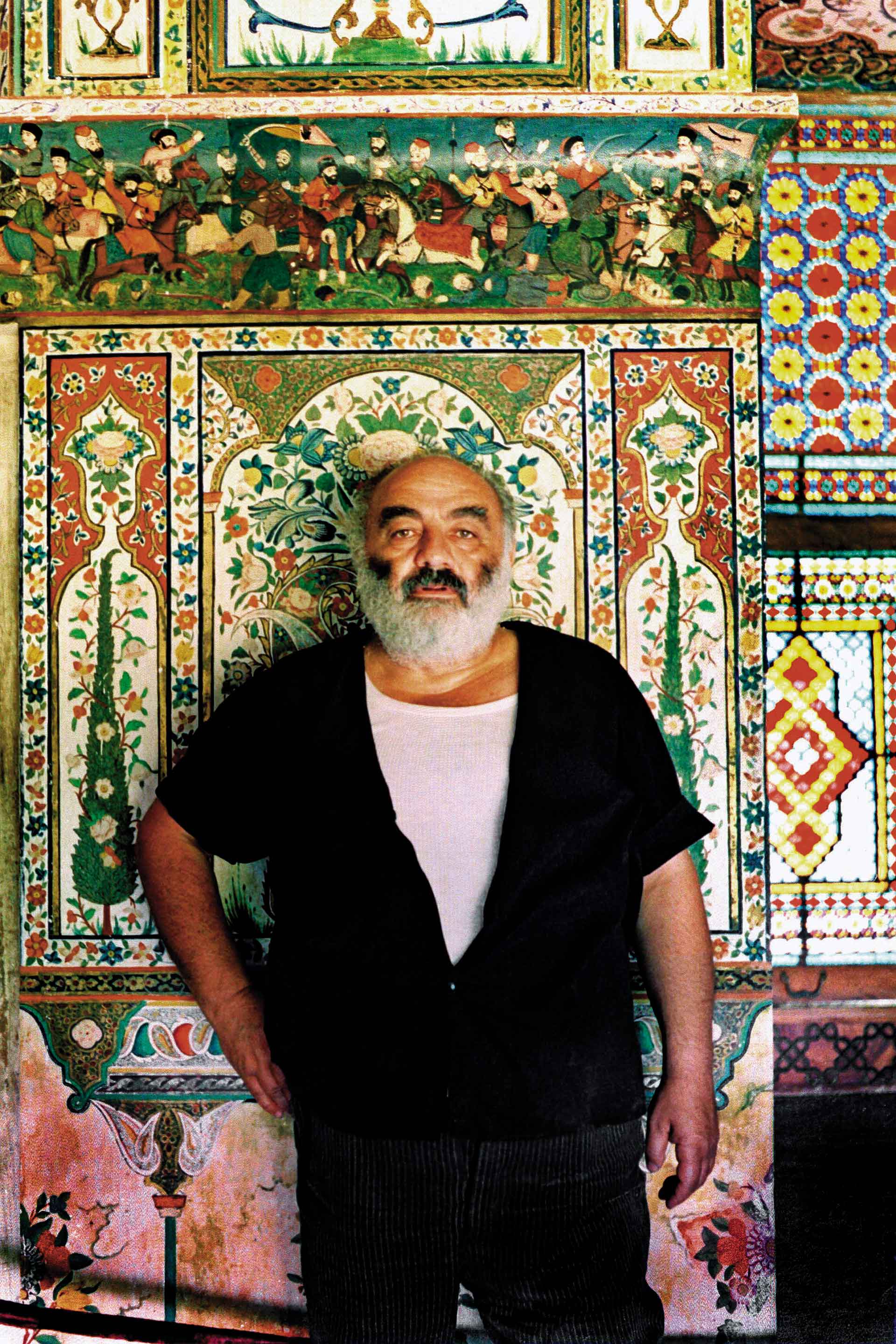
Visionary of world cinema — The Color of Pomegranates (1969) turned Sayat-Nova's life into moving illuminated manuscript. Persecuted and imprisoned by the Soviet state; celebrated everywhere else.
The Sound
Composers & singers — the keepers of the voice
Armenian music runs in an unbroken line from the medieval sharakans to the concert halls and chanson stages of the modern world — and at the hinge of that line stands a single tragic, towering figure: Komitas.
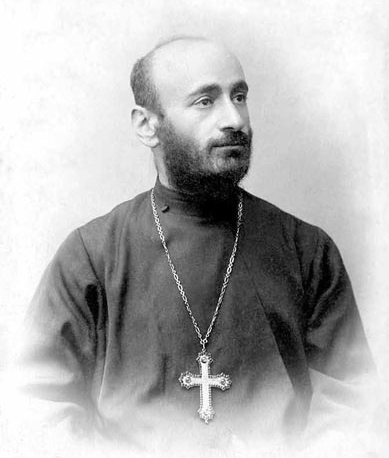
He walked village to village saving thousands of folk songs from oblivion and revealed Armenian sacred music to Europe. Arrested on 24 April 1915, he survived the Genocide in body but never in spirit — dying in a Paris clinic twenty years later. Armenia's pantheon of artists bears his name.
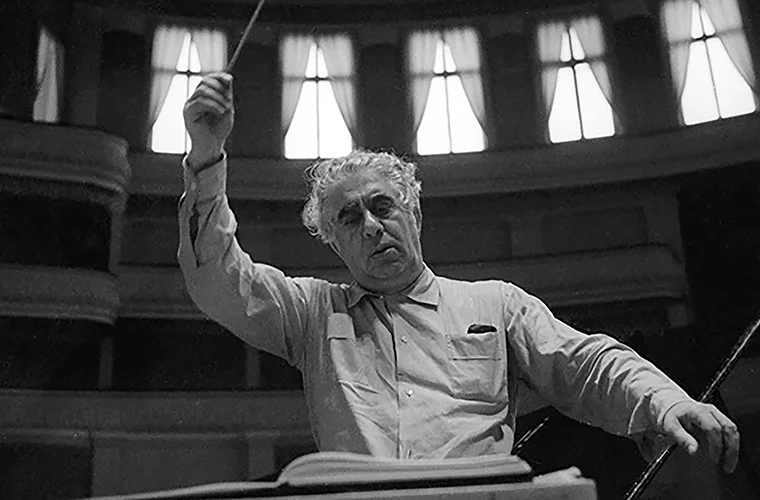
The "Sabre Dance" from Gayane, the ballet Spartacus, the Masquerade waltz — Armenian folk fire scored for the whole world's orchestras.
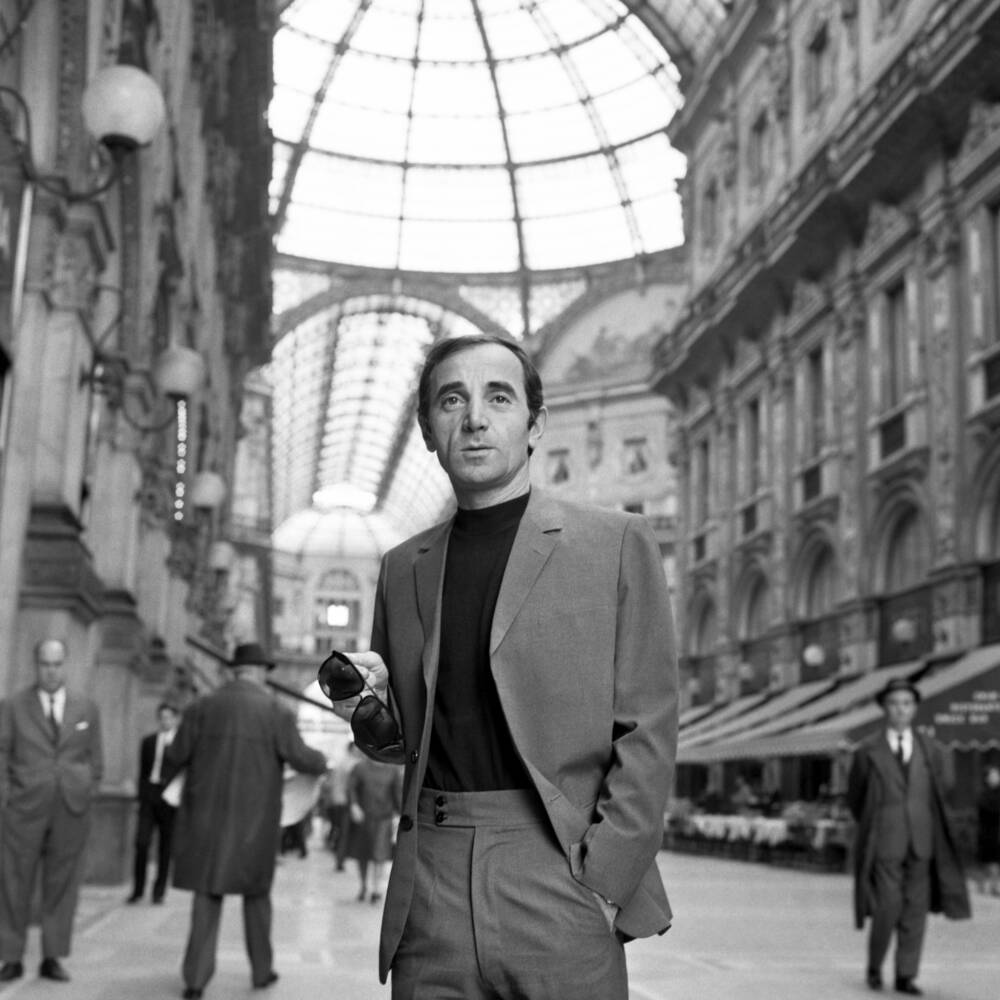
Born Shahnour Aznavourian in Paris; one of the most beloved voices of the century, with a thousand songs and decades of devotion to Armenia — including his 1975 elegy for the Genocide, "Ils sont tombés."
The Heavens
Scientists & stargazers — the keepers of the sky
Armenia's scientific tradition is as old as its literature. In the seventh century — while much of Europe's learning slept — the polymath of Shirak was already teaching that the Earth is a sphere.
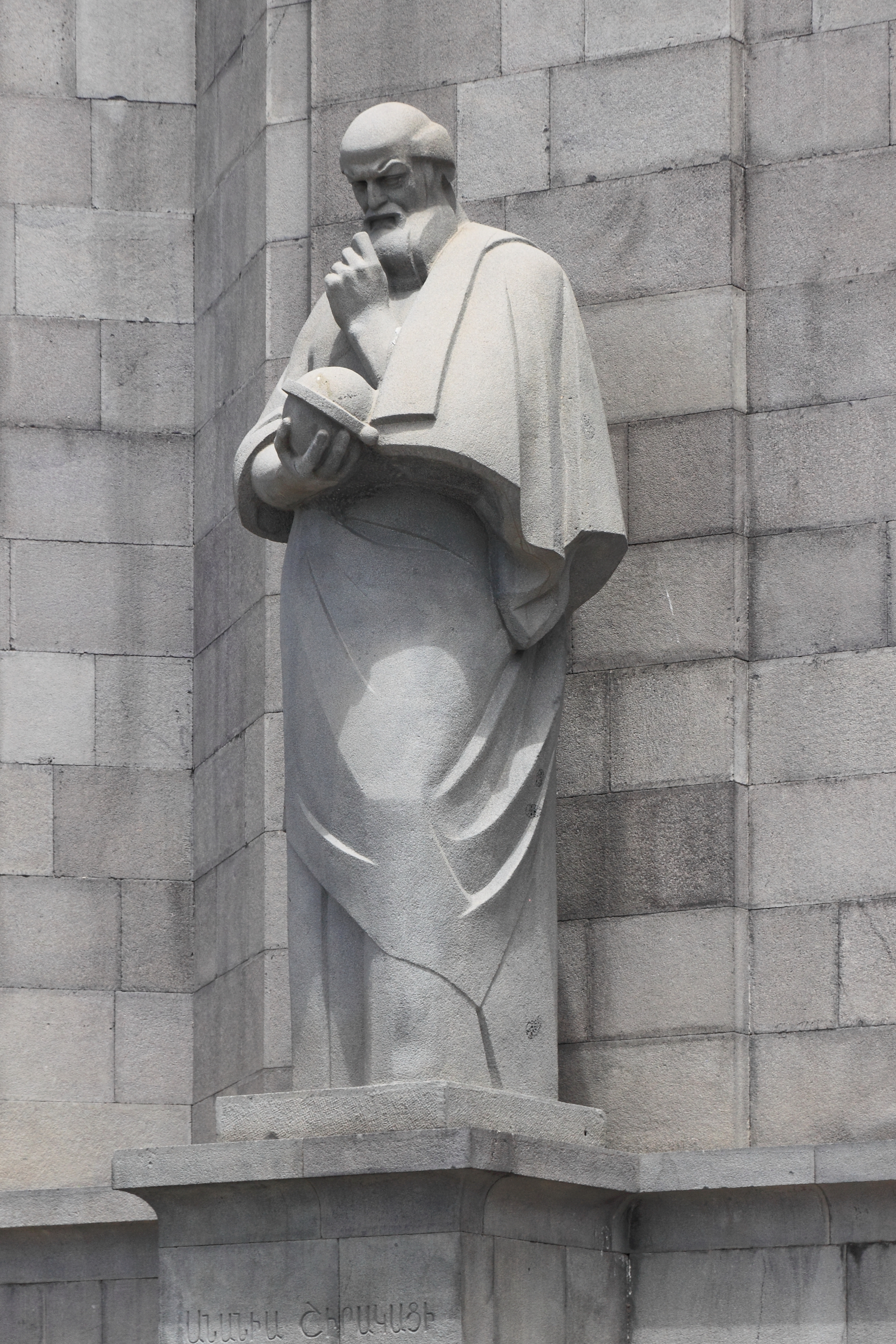
The great scholar of early-medieval Armenia: arithmetic textbooks, cosmology, calendar science, and the celebrated Geography (Ashkharhatsuyts) long attributed to his hand.
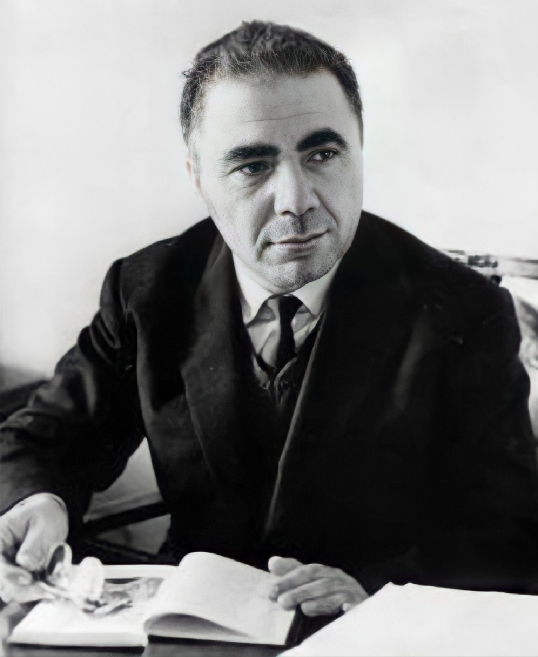
A founder of theoretical astrophysics — discoverer of stellar associations, builder of the Byurakan Observatory on Mount Aragats (1946), and president of the International Astronomical Union.
Further Names for the Margin
Toros Roslin (13th c.), prince of illuminators · Alan Hovhaness (1911–2000), American composer of mystical symphonies · Djivan Gasparyan (1928–2021), who made the duduk the sound of Armenia worldwide · Hovannes Adamian (1879–1932), pioneer of color television · Calouste Gulbenkian (1869–1955), "Mr. Five Percent," whose foundation still funds Armenian culture across the globe.
Sources & Further Reading
- Britannica — AivazovskyLife and work of the marine master
- Britannica — Aram KhachaturianThe composer's career and major works
- Britannica — William SaroyanThe Fresno storyteller
- Britannica — Arshile GorkyFrom Van to Abstract Expressionism
- The MatenadaranManuscripts of Roslin, Mashtots' heritage, Shirakatsi's science