Armenia in Ten Dates
The spine of the story — three millennia at a glance
Kings of the Highland
Armenian statehood begins in the iron-age fortresses of Urartu, but its royal legend begins with Artaxias I (Artashes), who around 189 BC founded the Artaxiad dynasty and the capital Artashat — a city, tradition says, sited on the advice of Hannibal himself, then a fugitive at the Armenian court. Two generations later came the empire.
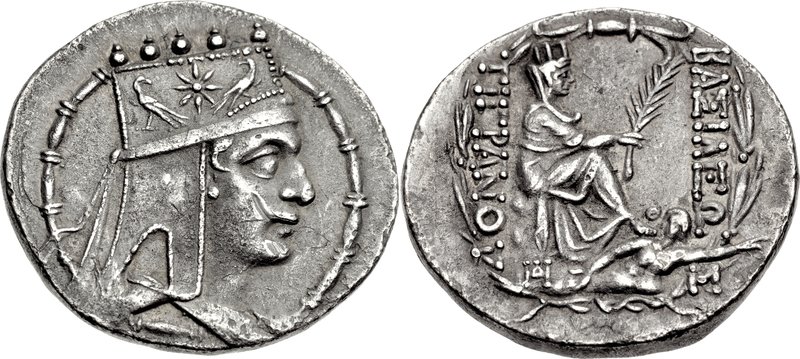
Tigranes II the Great (r. 95–55 BC) built, for one blazing generation, the strongest state east of Rome: an empire from the Caspian toward the Mediterranean, a new capital at Tigranocerta, and the ancient title King of Kings. Rome eventually clipped his wings — Lucullus and then Pompey — but left him his crown; he died an old king in his own land, and his silver coinage, bearing the great Armenian tiara with its star and eagles, remains the most iconic image of Armenian antiquity.
Later crowns rose and fell with the geography: Ashot I Bagratuni restored an independent kingdom in 884, and his dynasty raised Ani — the "city of a thousand and one churches" — into one of the great capitals of the medieval world. When the highland fell, the crown migrated to the sea: in 1198, Levon I was crowned king of Cilician Armenia, a Mediterranean kingdom of merchants, scriptoria, and crusader alliances that endured until 1375.
The Sparapets — Swords of the Faith
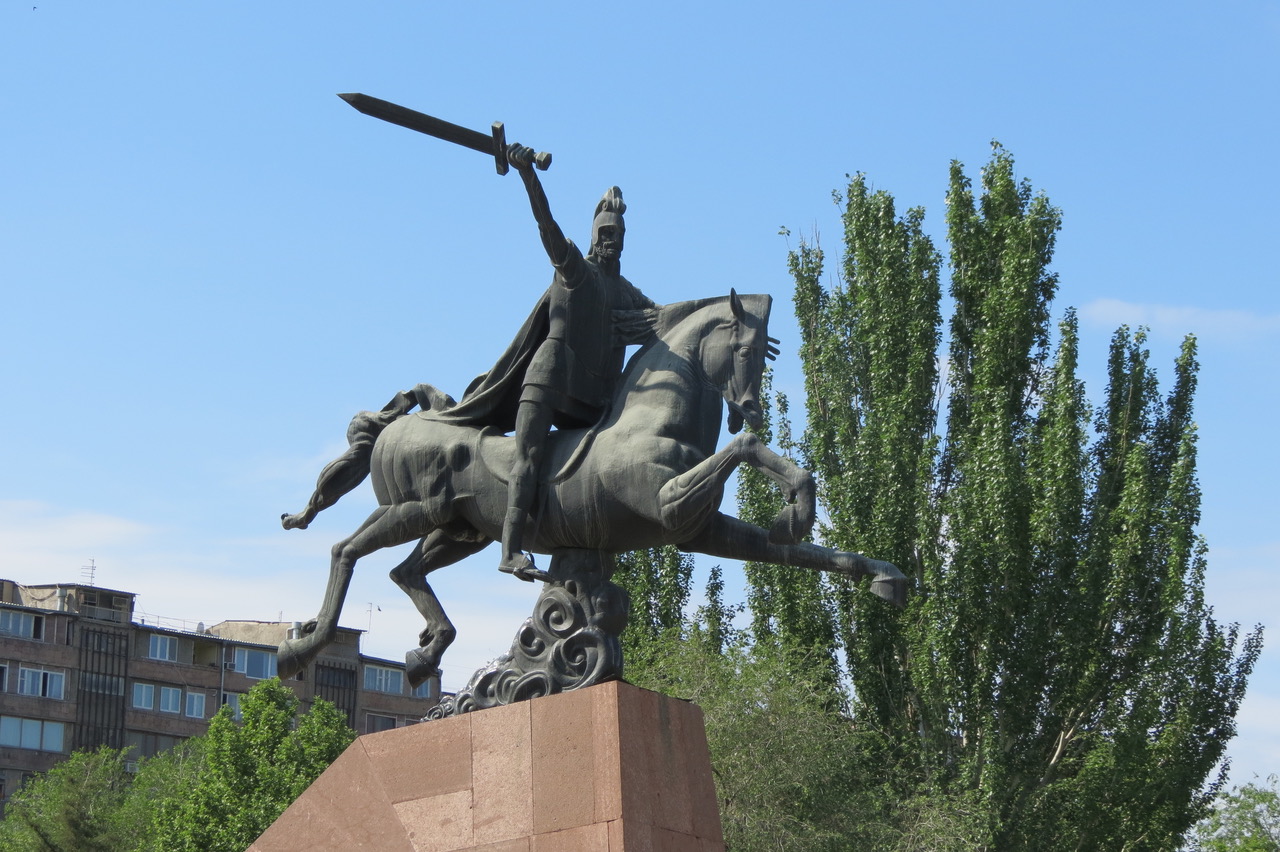
In the centuries without kings, Armenia was led by its sparapets — hereditary commanders-in-chief. The greatest name among them is Vardan Mamikonian, who at Avarayr in 451 led the nation's stand against forced conversion by Sasanian Persia and fell on the field (the full story is told in Volume I). His nephew Vahan Mamikonian finished the work by treaty: at Nvarsak in 484 Persia conceded freedom of worship, and Vahan governed Armenia as its marzpan. The soldier-saint on his rearing horse still rides in bronze above Yerevan.
The Long Night & the Awakening
Five centuries of statelessness followed Cilicia's fall, under Ottoman and Persian rule. The first modern voice of liberation was Israel Ori (1658–1711), who spent a lifetime petitioning the courts of Europe and Peter the Great's Russia for Armenia's freedom — a diplomat of a nation that did not yet exist on any map.
The moral leader of the 19th-century awakening was a priest: Mkrtich Khrimian, beloved as Khrimian Hayrik — "Father Khrimian." Sent to the Congress of Berlin in 1878 to plead the Armenian cause, he returned with a parable that entered the national bloodstream: the great powers, he said, served the harissa of liberty from a great cauldron, and each nation dipped in with an iron ladle — while Armenia had brought only a ladle of paper. The lesson — that petitions without power win nothing — shaped a generation. He was elected Catholicos of All Armenians in 1892.
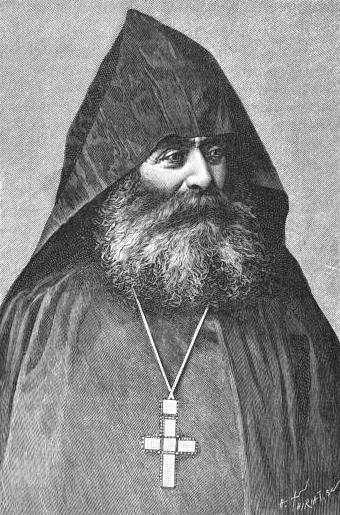
Patriarch, publisher, and "Father" of the common people of the provinces; his iron-ladle parable after Berlin 1878 became the manifesto of Armenian self-reliance.
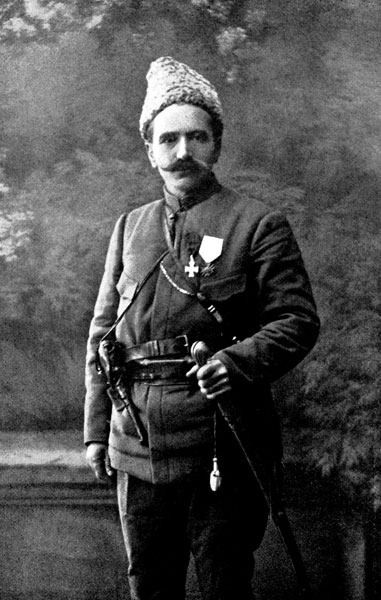
The legendary guerrilla defender of Sasun who became the most famous Armenian soldier of his age, leading volunteer units in the First World War. He died in Fresno; his remains were brought home to the Yerablur pantheon in 2000.
1918 — The First Republic
Out of the ashes of the Genocide came, against every probability, a state. In late May 1918, with Ottoman armies driving on Yerevan, Armenian forces and volunteers turned and won three desperate battles at once — Sardarapat, Bash Aparan, and Karakilisa. On 28 May 1918 the First Republic of Armenia was declared: the first independent Armenian state in more than five centuries.
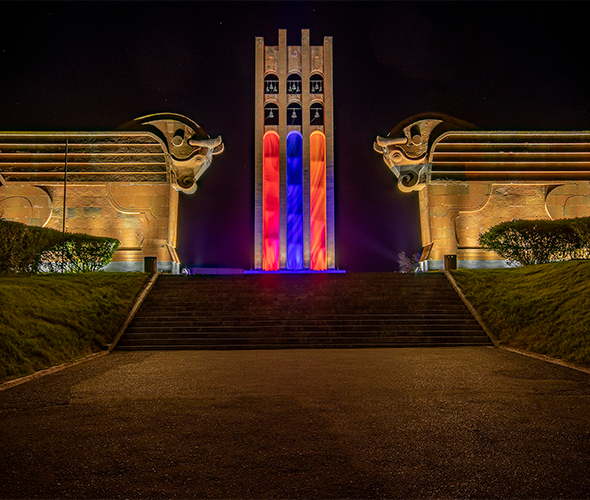
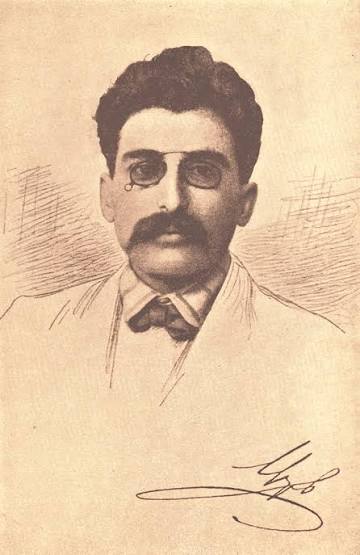
Organizer of the heroic defense of Van in 1915 and the iron will behind Yerevan's resistance in May 1918 — remembered as the founder of the First Republic and its first interior minister. He died of typhus within a year, aged 39.
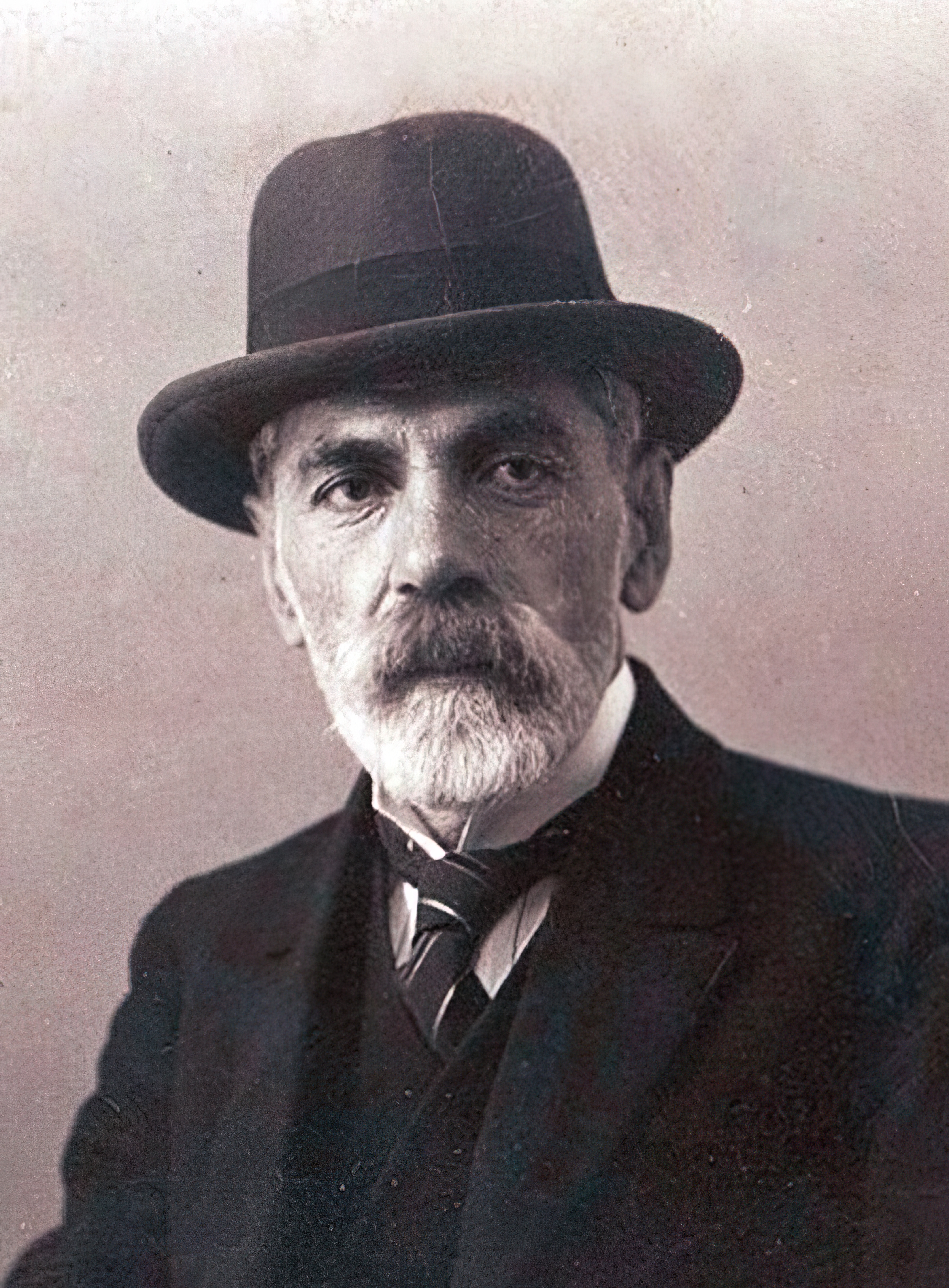
Architect by profession, he led the Republic's first government (1918–19) through famine, war, and half a million refugees. He perished in Stalin's purges twenty years later.
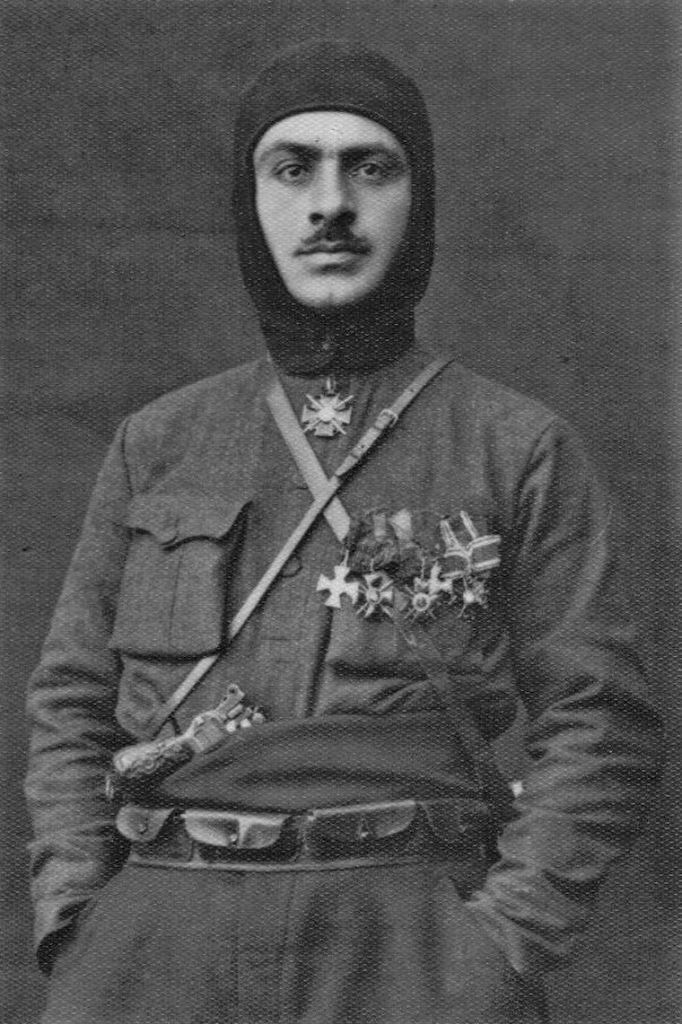
In 1920–21 his mountain fighters held Syunik against all comers, a defiance widely credited with keeping the region within Armenia. A revered and, abroad, contested figure — his later wartime choices remain debated — he died in a Soviet prison in 1955.
The Republic lived only thirty months — squeezed between Kemalist Turkey and Soviet Russia, it was sovietized in December 1920 — but it re-established the fact of Armenian statehood on the modern map. Its generals paid the full price of the century: Movses Silikyan, the victor of Sardarapat, was executed in the purges of 1937.
The Soviet Interlude
For seventy years Armenia lived as a Soviet republic — industrialized, educated, and muzzled. Armenians also rose high in the Union itself: Anastas Mikoyan of Sanahin survived every leader from Lenin to Brezhnev and served as Soviet head of state. But the figure Armenians themselves remember with warmth is the republic's own long-serving chief:
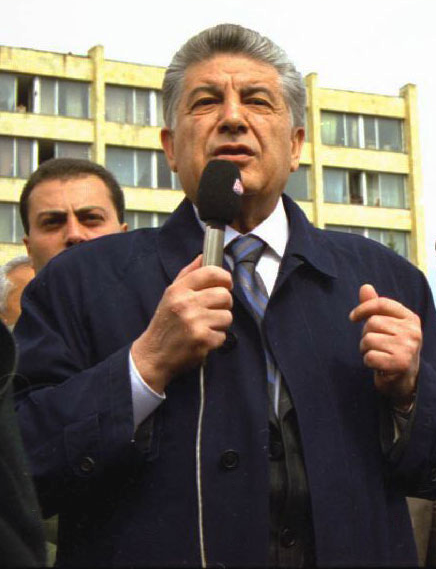
First Secretary of Soviet Armenia (1974–88), associated with the era's great construction projects and the Yerevan metro. He returned to politics in 1998, became Speaker of the National Assembly in 1999 — and fell, with Vazgen Sargsyan, on 27 October of that year. Honored posthumously as a National Hero of Armenia.
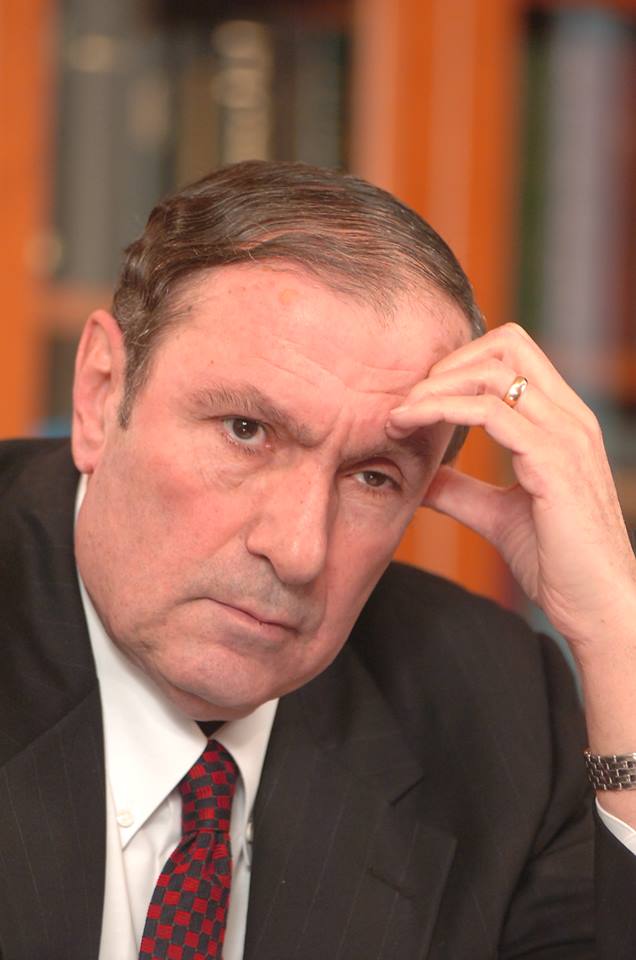
A philologist of the Matenadaran who became the face of the 1988 Artsakh movement, he was elected the first president of the restored Republic in October 1991 and led it through war and blockade until his resignation in 1998.
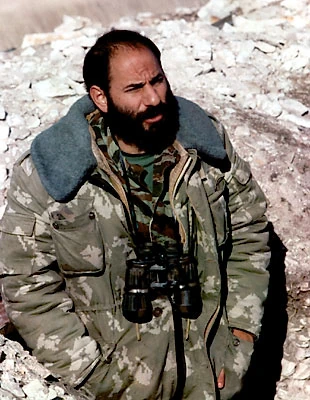
California-born archaeologist turned soldier of the Armenian cause, he commanded the Martuni front in Artsakh with legendary discipline and fell in battle in June 1993. National Hero of Armenia (1996); he rests at Yerablur.
The Sparapet of Independence
Vazgen Sargsyan — the soldier who built the army of the Third Republic
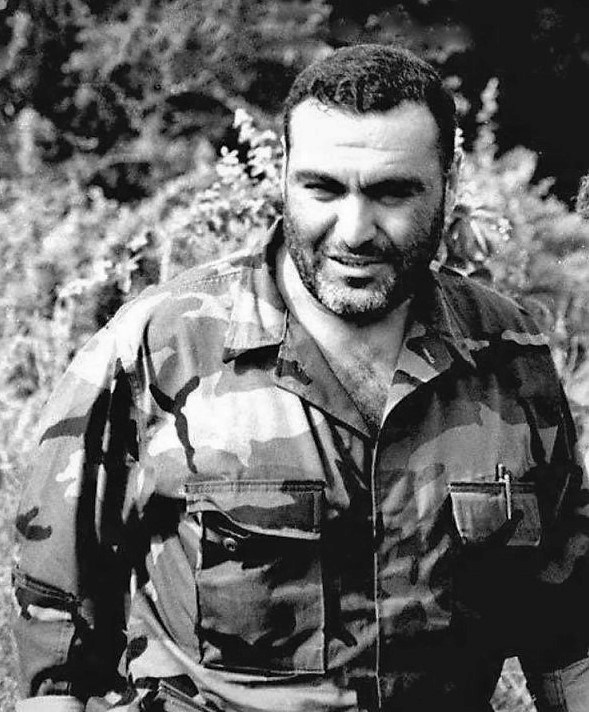
Vazgen Sargsyan
A writer and athlete from the village of Ararat, Vazgen Sargsyan became the organizing will of Armenia's rebirth in arms. When the Soviet Union dissolved and war engulfed Artsakh, he forged volunteer detachments into a fighting force, served as the newly independent Republic's first Minister of Defense (1991), and built its army through the darkest years of war and blockade. He founded and led the Yerkrapah union of volunteer veterans, and to the soldiers of that generation he was simply the Sparapet — the old title of Vardan Mamikonian's line, revived for the commander of the independence war.
Returning as Defense Minister (1995–1999), he was appointed Prime Minister in June 1999 after his Unity alliance with Karen Demirchyan swept the elections — a partnership many Armenians saw as the most hopeful government of the decade. It lasted twenty weeks.
27 October 1999 · Ոսկե Հոկտեմբեր դարձած սուգ
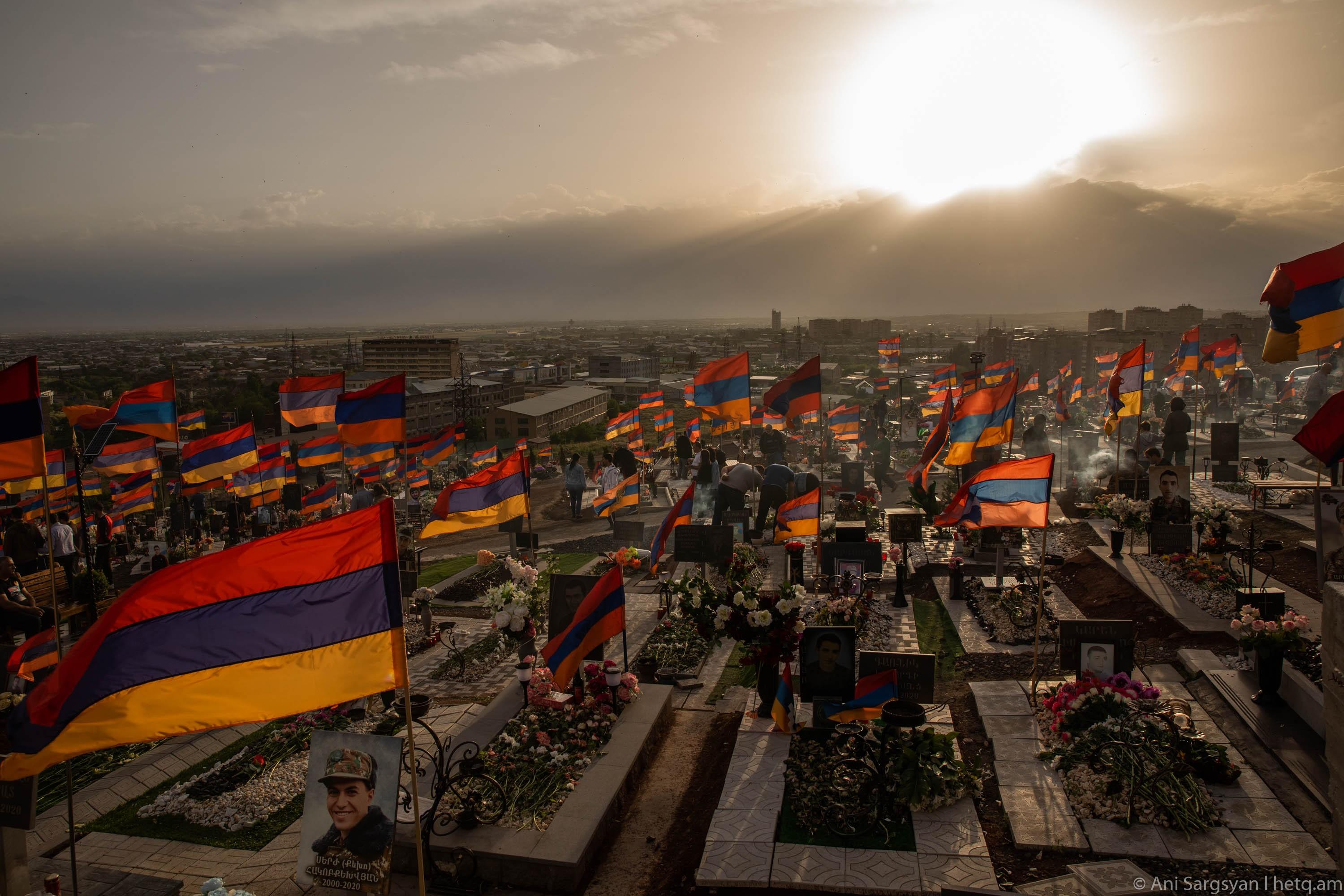
On the afternoon of 27 October 1999, gunmen burst into the National Assembly during a session and opened fire. Prime Minister Vazgen Sargsyan, Speaker Karen Demirchyan, two deputy speakers, a minister, and three deputies — eight people — were murdered where they served. It remains the darkest single day of the Third Republic. The nation buried its Sparapet at Yerablur, the military pantheon above Yerevan, beside the fallen of the war he had led.
Further Names for the Margin
Movses Silikyan (1862–1937), victor of Sardarapat · Alexander Myasnikyan (1886–1925), early Soviet Armenia's builder · Anastas Mikoyan (1895–1978), Soviet head of state · Simon Vratsian (1882–1969), last premier of the First Republic · Catholicos Vazgen I (1908–1994), shepherd of the church through the Soviet age.
Sources & Further Reading
- Britannica — History of ArmeniaFrom Urartu to the present republic
- Britannica — Tigranes II the GreatThe empire of the King of Kings
- Britannica — Levon Ter-PetrosyanFirst president of the Third Republic
- Vazgen Sargsyan — documented biographyLife, career, and the events of 27 October 1999
- The 1999 Parliament attack — documented accountThe assassination of the eight, and its aftermath
- Armenian Genocide Museum-InstituteContext for the era of Andranik, Aram Manukian, and 1918